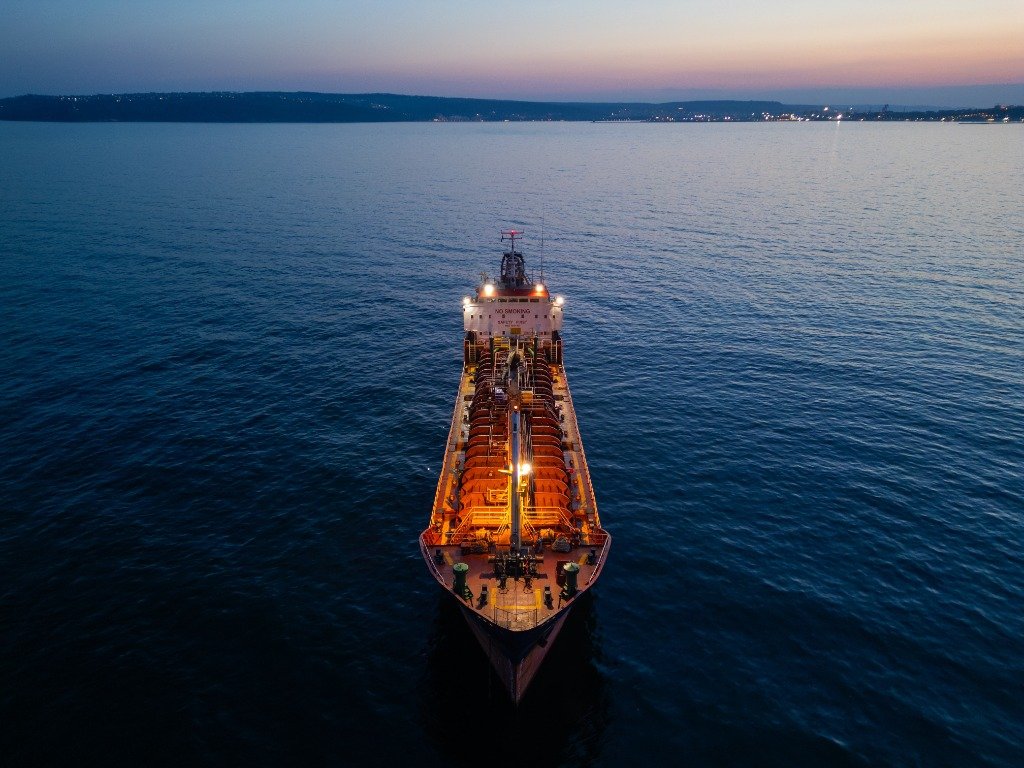
In high-risk transit corridors, a vessel's security depends entirely on early detection. Dark vessels - ships that have deliberately disabled their Automatic Identification System (AIS) transponders to evade tracking - represent a significant and growing threat to commercial shipping, often associated with illegal fishing, smuggling, sanctions evasion, and state-sponsored piracy.
When a vessel goes dark, it effectively disappears from conventional marine traffic monitoring screens. For a cargo ship navigating through the Gulf of Guinea, the Strait of Malacca, or the Red Sea, encountering a dark vessel at night can escalate from a radar anomaly to a boarding event in a matter of minutes. The traditional approach of relying solely on visual watchkeeping or basic marine radar is no longer sufficient to secure a modern fleet.
Multi-Modal Intelligence Fusion
EdgeVIQ pioneers a multi-modal approach to maritime security, moving beyond single-sensor reliance. The system acts as an intelligent brain that constantly ingests and correlates three distinct streams of data: global AIS tracking networks, SAR (Synthetic Aperture Radar) satellite imagery, and live feeds from the vessel's own optical and thermal camera arrays.
By fusing these data streams at the edge, the system can spot anomalies that a human operator would miss. When a Sentinel-1 satellite detects a radar signature on the water that does not broadcast a corresponding AIS signal, the system instantly flags a dark vessel in the regional theater.
Automated Target Slew and Verification
Detecting a dark vessel 100 miles away is useful intelligence, but determining if it poses a threat to your specific ship requires localized verification. If the trajectory of the flagged dark vessel intersects with your fleet's route, EdgeVIQ transitions from passive monitoring to active defense posturing.
The system automatically slews onboard PTZ (Pan-Tilt-Zoom) and thermal cameras toward the threat coordinates. It scans the horizon, actively searching for the vessel in the pitch black. Because the AI is trained to detect the specific geometric profiles of skiffs, fast attack craft, and larger vessels, it can identify the approaching threat miles before human eyes could spot it through binoculars.
Triggering the Citadel Protocol
Once EdgeVIQ visually acquires the target and confirms it is closing at an intercept speed, it instantly alerts the bridge and the shore-side security team. This automated early warning provides the Master with the most valuable resource in a piracy event: time.
Instead of reacting when grappling hooks are already on the rails, the crew is given precious minutes to initiate evasive maneuvers, activate water cannons, sound alarms, and securely retreat to the ship's citadel. Furthermore, the system automatically begins recording and transmitting high-resolution, time-stamped video evidence of the approach back to headquarters via a low-bandwidth metadata stream, ensuring that naval authorities have the tactical information they need immediately.
By fusing global satellite intelligence with localized AI video analytics, EdgeVIQ doesn't just record security incidents - it actively extends your vessel's defensive perimeter miles over the horizon.