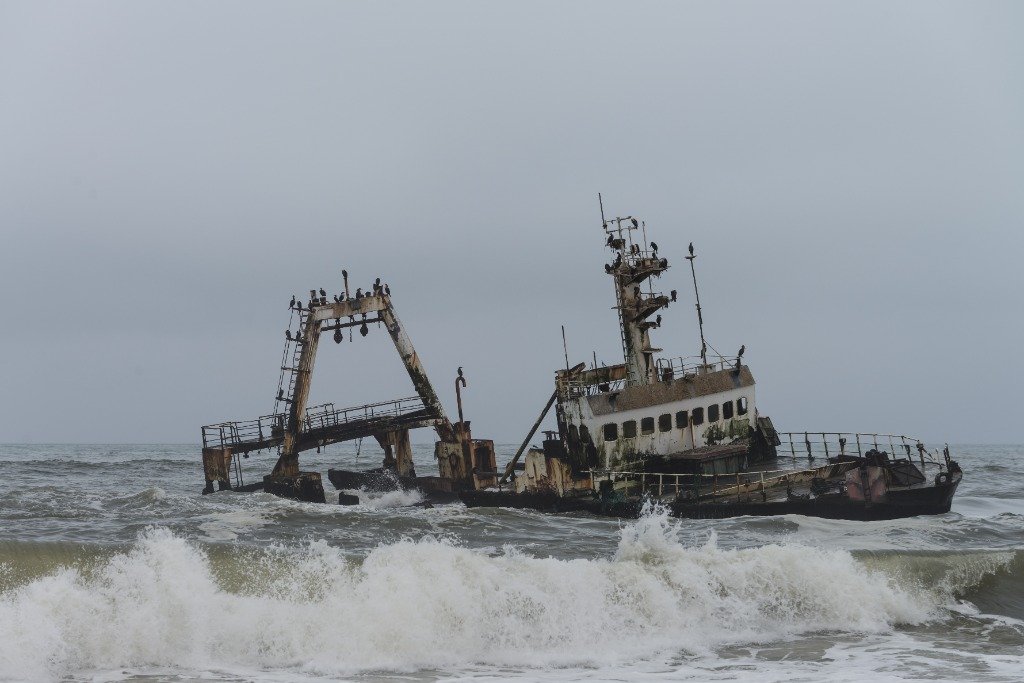
Historically, maritime safety has operated on a fundamentally reactive paradigm. When a catastrophic incident occurs - whether a devastating engine room fire, a catastrophic equipment failure during cargo operations, or a tragic loss of life overboard - the first action taken by the shore team is to pull the ship's CCTV footage. We use video to answer the crucial question, What went wrong? But by the time we ask that question, the damage is already done, and the liability is incurred.
This reactive methodology relies on video as a forensic tool rather than an active safety mechanism. The maritime industry has normalized the expectation that cameras are there only to document the disaster, not to stop it.
The Limitation of Dumb Cameras
A standard marine CCTV system is essentially a recording device. It captures visual data but understands none of it. To actively prevent an incident using traditional cameras, a human operator must be actively watching the specific monitor showing the critical event, recognize the unfolding danger instantly, and raise the alarm before the point of no return.
Across a large commercial fleet equipped with thousands of cameras spanning decks, holds, engine rooms, and accommodation blocks, achieving this level of human vigilance is statistically impossible. Crew members are already saturated with operational duties and alarm fatigue; they cannot serve as full-time security monitors.
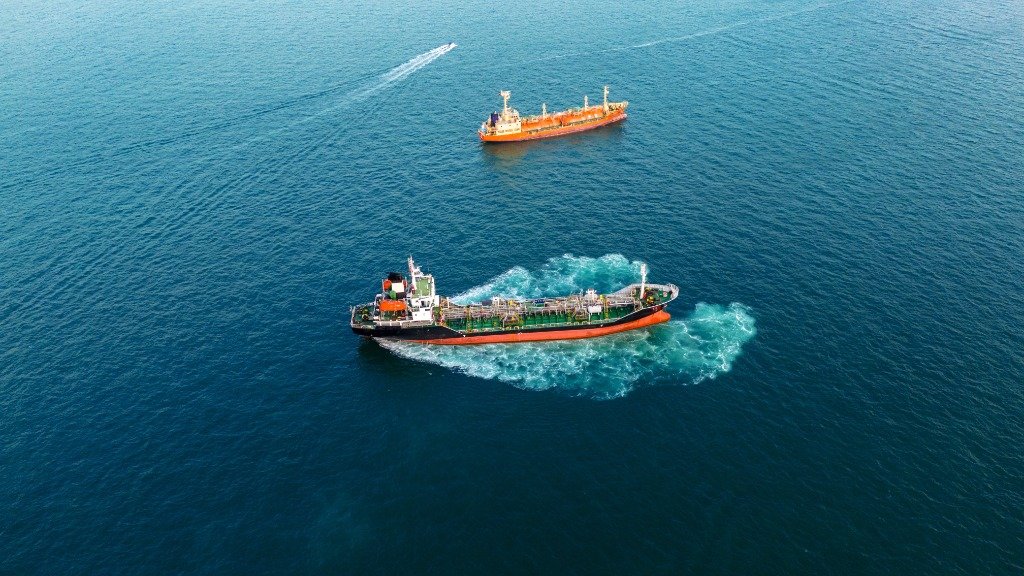
The Proactive Shift to Edge AI
EdgeVIQ transforms these dumb cameras into highly proactive safety sensors. By deploying advanced computer vision models natively on the vessel via industrial edge servers, the system analyzes every single frame of video across dozens of channels in real time.
It doesn't wait for a human to notice a hazard. The AI is specifically trained to detect the early indicators of a crisis. It detects the first wisps of smoke long before heat triggers a traditional fire alarm. It recognizes a crew member approaching a hazardous zone without the proper fall arrest gear. It instantly registers a slip, trip, or fall and triggers an immediate bridge alert, slashing the time required to dispatch a medical response.
Predictive Behavioral Analysis
Beyond immediate hazards, EdgeVIQ's computer vision engine excels at predictive behavioral analysis. For instance, the system can monitor the bridge and engineering spaces for signs of crew fatigue or sleep - a leading cause of maritime accidents. By identifying micro-sleeps or prolonged periods of inactivity at a critical console, the system can gently alert the watchkeeper before a navigational error occurs.
This shift from reactive recording to proactive, predictive intelligence is the single greatest leap forward in maritime safety. It turns the vessel's existing video infrastructure from a forensic liability tool into a lifesaving early warning system that operates tirelessly, 24/7, in all conditions.